Exploring “Secret Spots” in gentrifying neighbourhoods: my journey in Civic Design Jam.
In the autumn of 2022 I had the chance to take part in the Civic Design Jam run by the University of Washington, a service design sprint that set out to connect emerging artists with long-standing, locally-owned businesses in gentrifying neighbourhoods. As part of the project I ran field studies and street interviews to better understand how gentrification affects these businesses, and to explore creative solutions that could support them.
The problem
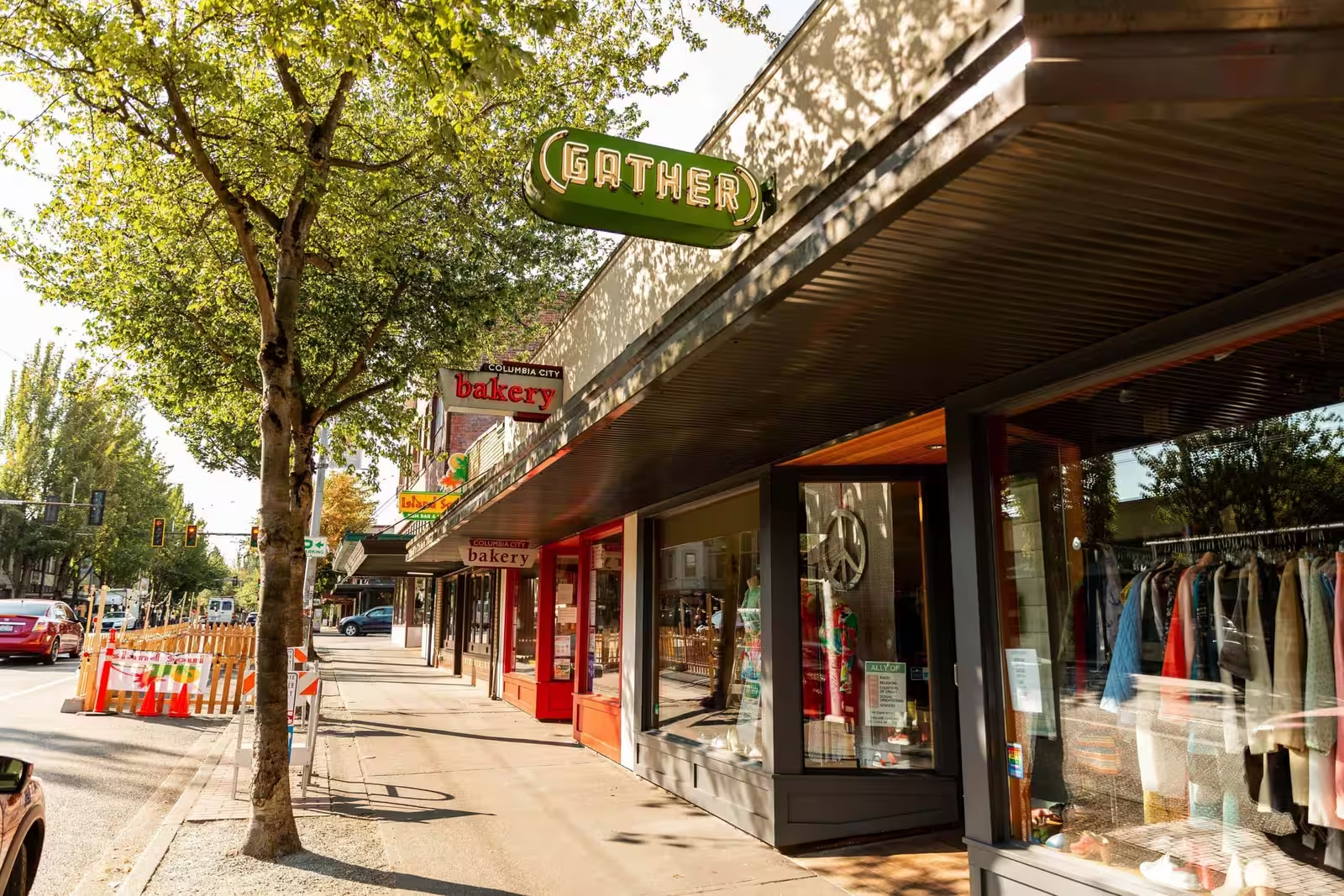
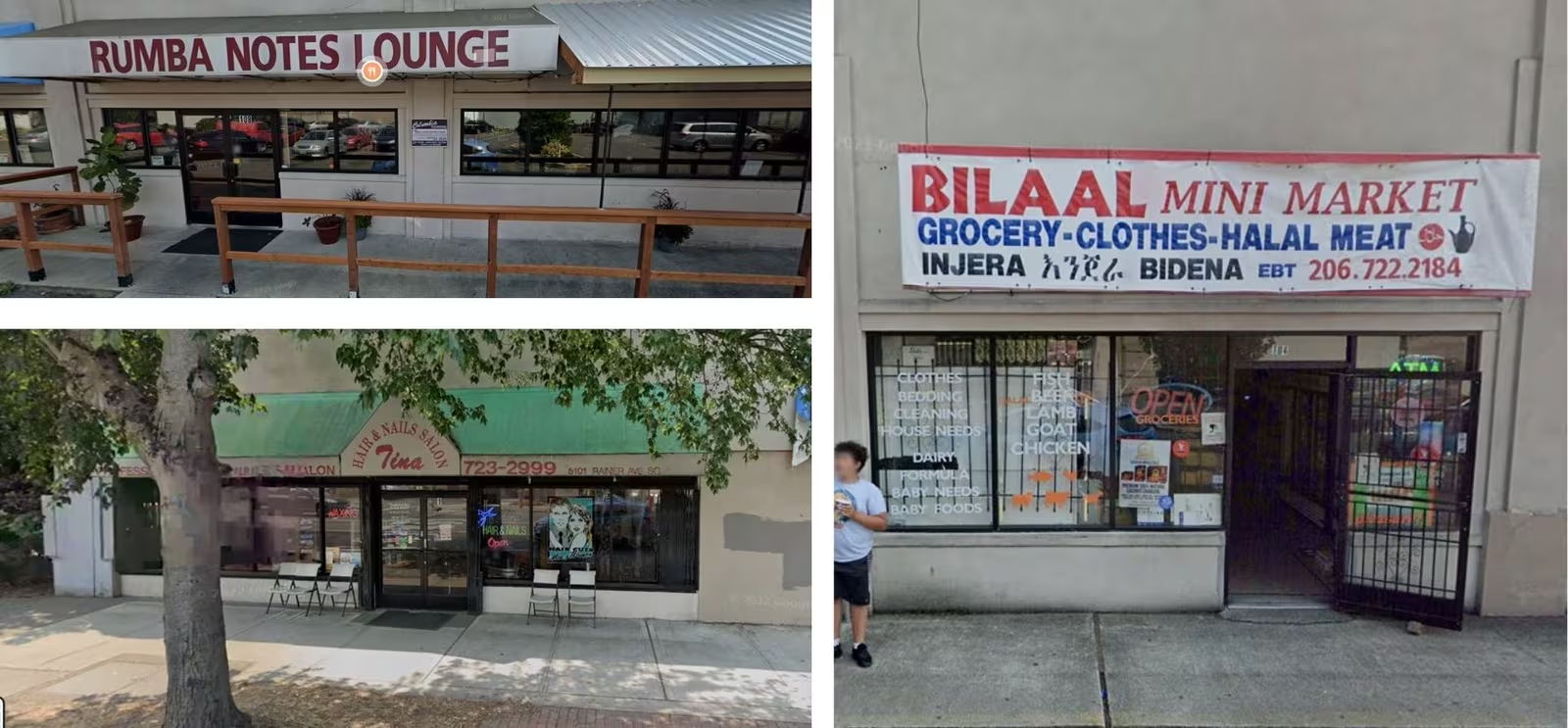
The project focused on neighbourhoods in cities like Seattle, where gentrification is rapidly transforming communities. Older businesses, which have been in the area for over 15 years, face increasing pressure from newer businesses that appeal to a different, often younger generation. Many of these small business owners fear losing their loyal customer base, and without significant resources they struggle to remain competitive.
The solution: “Secret Spots”
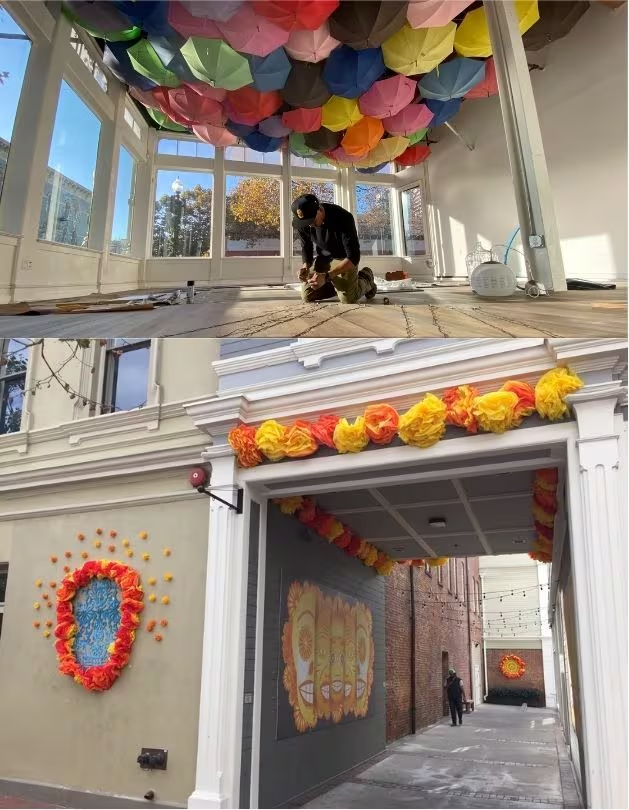
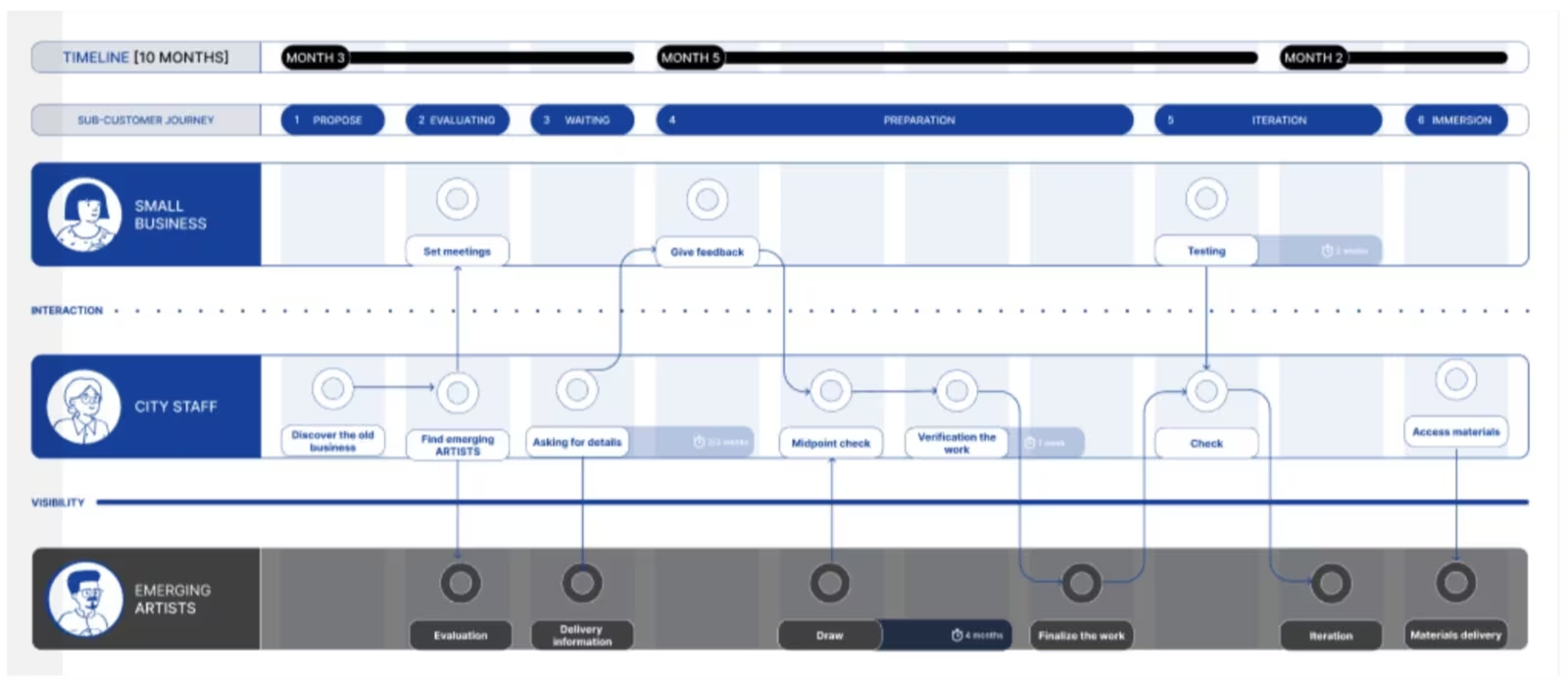
Our team came up with an initiative called “Secret Spots” to help these businesses stay visible without adding to their workload. The idea was simple: pair emerging local artists with these businesses to create artworks that reflected the store’s history, culture and personality. The art would be displayed in the store’s windows, drawing in foot traffic and inviting exploration. Each participating shop would also receive a “Secret Spot” sticker to further boost visibility.
The city would organise monthly art and food walks, letting people explore these spots, appreciate the art and learn about the businesses’ heritage. It’s a win-win solution that helps small businesses tap into the new money coming into gentrified neighbourhoods, while artists gain exposure and experience.
What we learned
Through street interviews with small business owners, we learned that many were excited about the idea of showcasing their unique identity in a creative way. However, they were concerned about the potential burden. We made it a priority to keep the process as hands-off as possible for the owners. The only significant touchpoint for them would be collaborating with the artist to decide on the direction of the artwork.
Next steps
The next steps in our process included presenting the idea to city officials and continuing to gather feedback from business owners. Our ultimate goal was a feasible, low-maintenance programme that would lift the local economy while preserving the character of the neighbourhood.
Reflecting on the experience
Taking part in this Civic Design Jam was both inspiring and challenging. It gave me a deeper insight into the complex issues faced by long-established businesses in rapidly changing environments. Through street interviews and field studies, I saw first-hand how communities are affected by gentrification, and how thoughtful design can play a role in preserving the essence of these neighbourhoods.